
Halal food is an important part of Islamic culture and what people eat, but it also appeals to others because of its emphasis on cleanliness, ethics, and quality.
Whether you’re just learning about halal food or want to know more, this blog will explain what halal food is, where it comes from, why it’s important, and the benefits it brings to both Muslims and others. Let’s explore halal food simply and easily.
What is Halal Food?
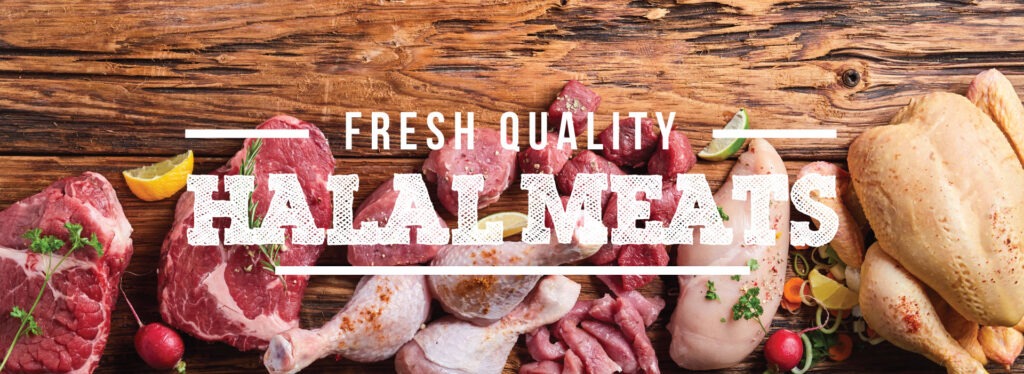
The word “halal” comes from Arabic and means “allowed” or “lawful” according to Islamic law.
Halal food refers to any food or drink that follows the rules set by Islamic dietary laws. These rules cover not just what can be eaten but also how food is prepared, processed, and where it comes from. Basically, halal food is food that Muslims are allowed to eat because it meets certain religious standards.
On the other hand, haram food is not allowed.
Examples of haram food include pork, alcohol, and anything that is mixed with non-halal substances. Some foods are considered mashbooh, which means they are uncertain in their permissibility. Muslims are advised to avoid these unless they are confirmed to be halal.

The Origins of Halal Food
The idea of halal food comes from the Quran, the holy book of Islam, and the teachings of the Prophet Muhammad, known as the Sunnah.
These writings provide clear guidance on what is acceptable to eat. The rules for halal food were developed over 1,400 years ago when Islam began in the Arabian Peninsula.
The Quran gives specific instructions about what can and cannot be eaten.
Some of these rules include:
- Foods that are not allowed: Pork, blood, dead animals not killed properly, and anything that is dedicated to anything other than Allah are not permitted (Quran 2:173).
- Proper slaughter: Animals must be killed in a specific way called zabiha.
This involves saying a prayer and making a quick cut to the throat to ensure a quick and humane death. The blood must be drained from the animal, as eating blood is not allowed. - Cleanliness: Food must be free from contamination and prepared in a clean place.
These rules were created to help Muslims live in a spiritually clean way, treat animals with respect, and keep people healthy. As Islam spread around the world, halal practices changed to fit different cultures but kept their main ideas.
Visit Nirvana Indo-Pak restaurant for the best Halal Restaurant in Houston
The Purpose of Halal Food
Halal food is more than just following rules; it shows a commitment to living in a way that reflects Islamic values.
Here are the main reasons people follow halal food practices:
- Spiritual Connection: Eating halal is a way for Muslims to show respect to Allah and stay mindful of their faith in everyday life.
- Ethical Treatment of Animals: Halal slaughter ensures animals are treated with care, are healthy, and are killed in a way that causes as little suffering as possible.
- Health and Hygiene: Halal food is prepared with attention to cleanliness, making it safer and healthier to eat.
It avoids harmful ingredients and is made in clean environments. - Community and Identity: Following halal rules brings Muslims together and helps them feel connected to their culture and religion.
How is Halal Food Prepared?
Halal food is prepared following strict rules to make sure it meets Islamic law.
Here’s how the process works:
- Halal Slaughter (Zabiha): The animal must be alive and in good health when it is killed.
A trained Muslim person says a prayer and cuts the animal’s throat quickly to make the death as painless as possible. The blood must be drained completely, as it is not allowed to be eaten. - Permissible Animals: Only certain animals are considered halal, like cattle, sheep, goats, chickens, and fish.
Animals like pigs, predators, and dead animals are not allowed. - No Cross-Contamination: Halal food must not come into contact with haram substances like pork or alcohol during cooking, storage, or serving.
- Ingredients Check: Processed foods must not contain haram ingredients like pork-based gelatin or alcohol-based flavorings.
Many products now have halal certification labels to help people identify what is allowed.
Benefits of Halal Food
Halal food offers many benefits, not only for Muslims but also for others who care about health, ethics, and quality.
Here are some of the key advantages:
Health Benefits: Halal food follows strict hygiene and quality guidelines, which can lead to better eating habits.
- Cleanliness: The rules for slaughtering and preparing halal food ensure that meat is free from blood and impurities, which helps reduce the risk of foodborne illness.
- No Harmful Additives: Halal food avoids ingredients like alcohol and questionable additives, making it a clearer and safer choice.
- High-Quality Standards: Many halal-certified products go through strict inspections, ensuring that food meets high safety and quality standards.
Ethical and Sustainable Practices: Halal food culture follows ethical and sustainable practices.
- Humane Treatment: The zabiha method promotes animal welfare by treating animals with care and respect.
- Transparency: Halal certification provides clear information about how food is sourced and prepared, which gives people more trust in their choices.
- Sustainability: Many halal producers focus on eco-friendly and sustainable farming methods, as the care for animals extends to the environment.
Universal Appeal: Halal food is not just for Muslims—it’s becoming more popular around the world.
- Inclusivity: Halal food is suitable for many different faiths and dietary preferences, including those who seek clean, ethical, or high-quality food options.
- Global Availability: Because of halal certification, halal food is easy to find in supermarkets, restaurants, and even fast-food places.
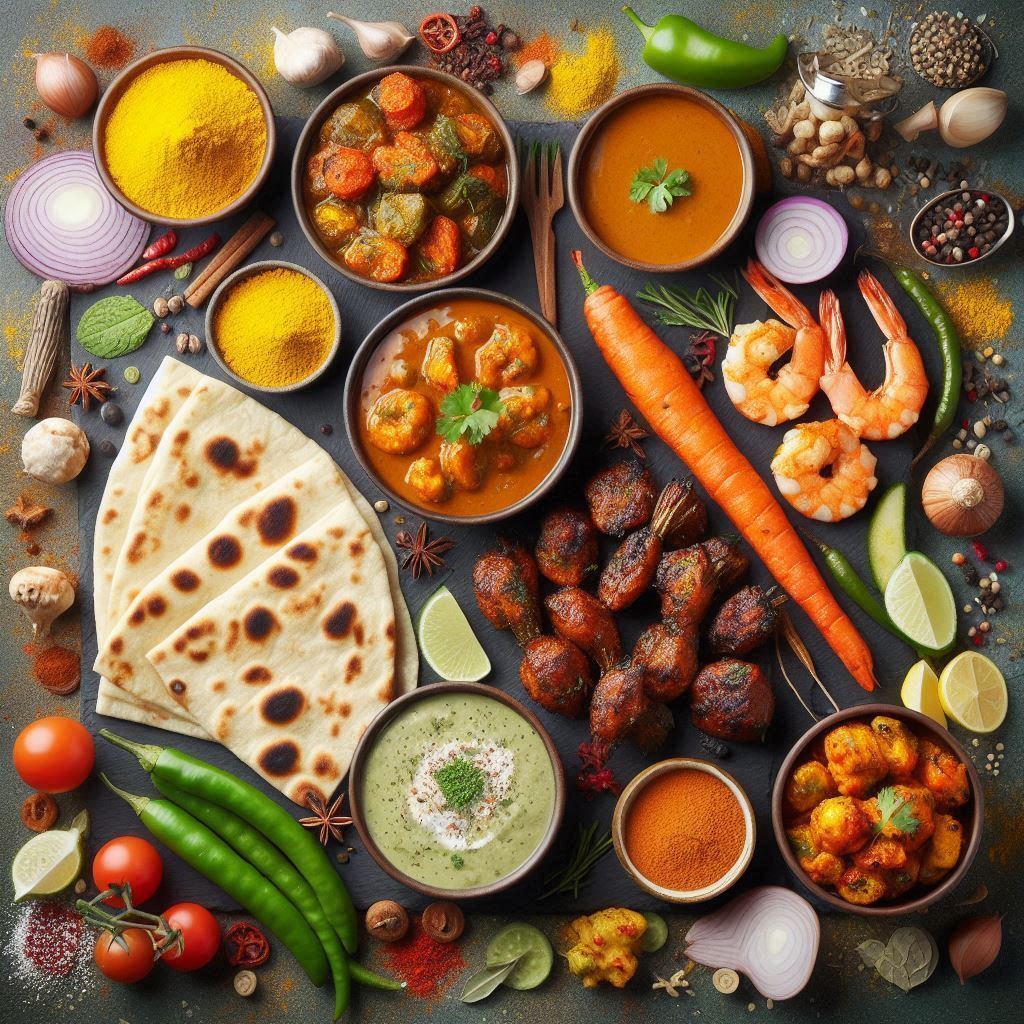
- Cultural Diversity: Halal cuisine includes many different styles, from Middle Eastern kebabs to South Asian biryanis, offering a wide variety of flavors and experiences.
Spiritual and Mental Well-Being: For Muslims, eating halal food helps them feel peaceful and spiritually fulfilled. Knowing that their food aligns with their faith allows them to eat with gratitude and awareness, which can improve their mental well-being.
Common Misconceptions About Halal Food
There are a few myths about halal food that people might not know.
Let’s clear them up.
Myth 1: Halal food is only for Muslims.
Fact: Anyone can enjoy halal food!
It focuses on quality, clean ingredients, and ethical practices, which makes it enjoyable for many people. The halal food culture is universal, and everyone can enjoy halal meat and goods.
Myth 2: Halal slaughter is cruel..
Fact: The halal method of slaughtering animals is meant to be kind.
There are strict rules to make sure the animals are treated with respect and not harmed.
Myth 3: Halal food is only for meat.
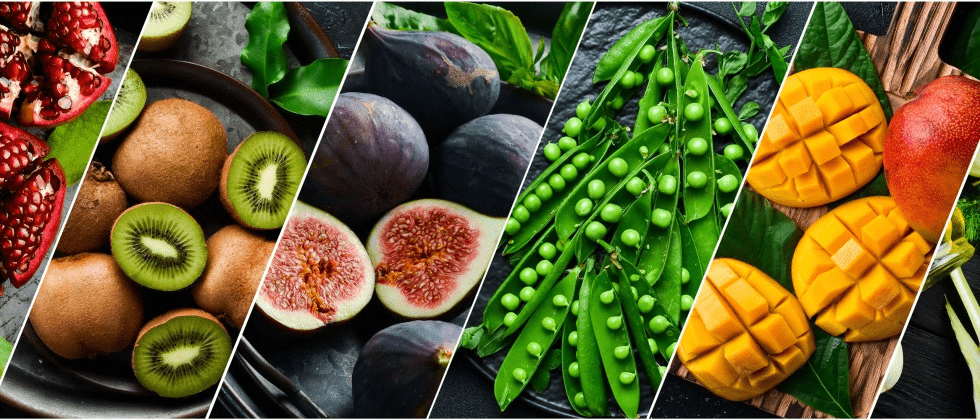
Fact: Halal rules cover all kinds of food, including fruits, veggies, grains, and even packaged foods, as long as they follow Islamic guidelines
Halal Food Culture in Today’s World
The halal food industry is growing quickly all around the world.
Experts think it could be worth trillions of dollars in the future. You can find halal food in restaurants, grocery stores, and even fast food chains. More people, both Muslim and non-Muslim, are choosing halal food because they care about quality and ethical choices.
Many countries have organizations that check if food is halal.
These certifications help people know which foods are safe to eat. Big fast food chains like KFC, McDonald’s, and Subway offer halal meals in several places, showing how popular halal food has become.
How to Include Halal Food in Your Life
If you want to try halal food, here are some easy tips:
- Look for halal labels on packaged foods or ask about halal options when eating out.
- Try making halal dishes at home, like chicken tikka, falafel, or lamb kebabs, using ingredients that are halal-approved.
- Visit halal restaurants, which are becoming more common in many cities.
You can find everything from casual street food to fancy dining. - Learn about what ingredients are not allowed, like pork-based gelatin, so you can make smart choices when shopping or eating.
Conclusion
Halal food is more than just what you eat—it’s a way of living that shows care for faith, kindness, and health.
It comes from Islamic traditions, but its values of cleanliness, respect for animals, and high quality are appreciated by many people around the world. Whether you’re Muslim or just interested in eating ethically, halal food can be a great choice for you.
Next time you go shopping or eat out, give halal food a try, and if you are in Houston, TX, visit Nirvana Indo-Pak Restaurant for the Best Halal food in Houston.
It’s a tasty, kind, and welcoming way to take care of your body and mind! Be the one to explore Halal Food Culture in the world.